How We Support Overseas Clients Without On Site Visits
One of the most common questions we hear is this:
Can we still work with Cozi if we cannot visit the factory, the showroom, or the site in person?
The answer is yes.
Many of our clients are based overseas. Some are homeowners, some are designers, and some are contractors managing projects across borders. What they usually need is not casual updates, but a clear process that makes remote collaboration feel structured and reliable.
This guide explains how Cozi supports overseas clients without on site visits, and why remote cabinetry projects can still move forward with confidence when the workflow is managed properly.
Why On Site Visits Are Not Always Necessary
For many cross-border projects, the most important thing is not whether the client can visit in person, but whether the project information is clear and the process is controlled.
A site visit can be helpful, but it is not the only way to reduce risk.
In many cases, what matters more is:
- a clear floor plan or measurement set
- structured design confirmation
- scope clarity before production
- documented updates during production
- pre-delivery checking before shipment
- support for installation after arrival
When those pieces are in place, remote collaboration can work well.
How Cozi Usually Supports Overseas Clients Remotely
At Cozi, overseas project support usually happens through a structured sequence rather than informal back-and-forth only.
This often includes:
- consultation by email, WhatsApp, or video call
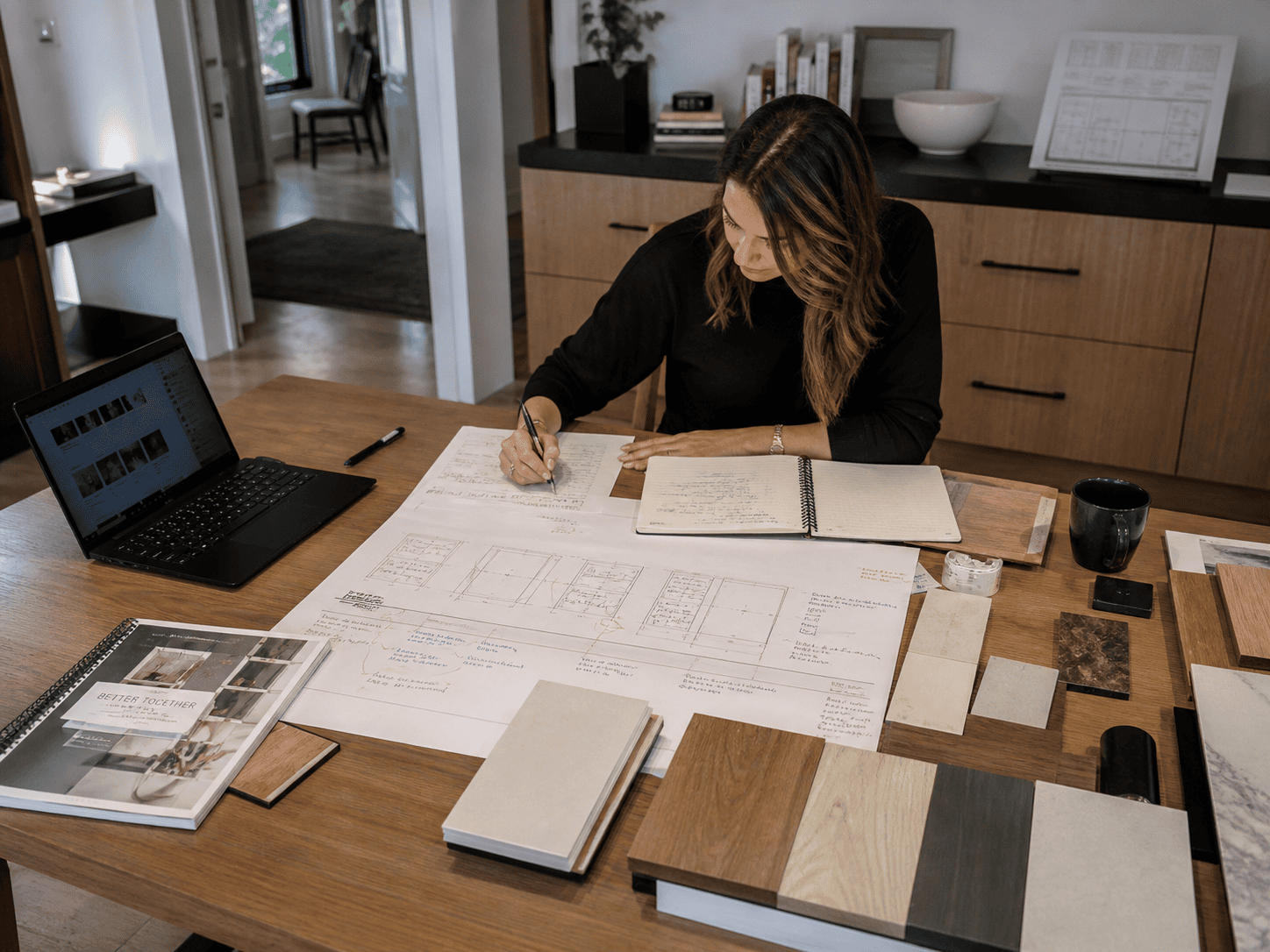
- review of floor plans, room lists, and inspiration images
- design clarification where needed
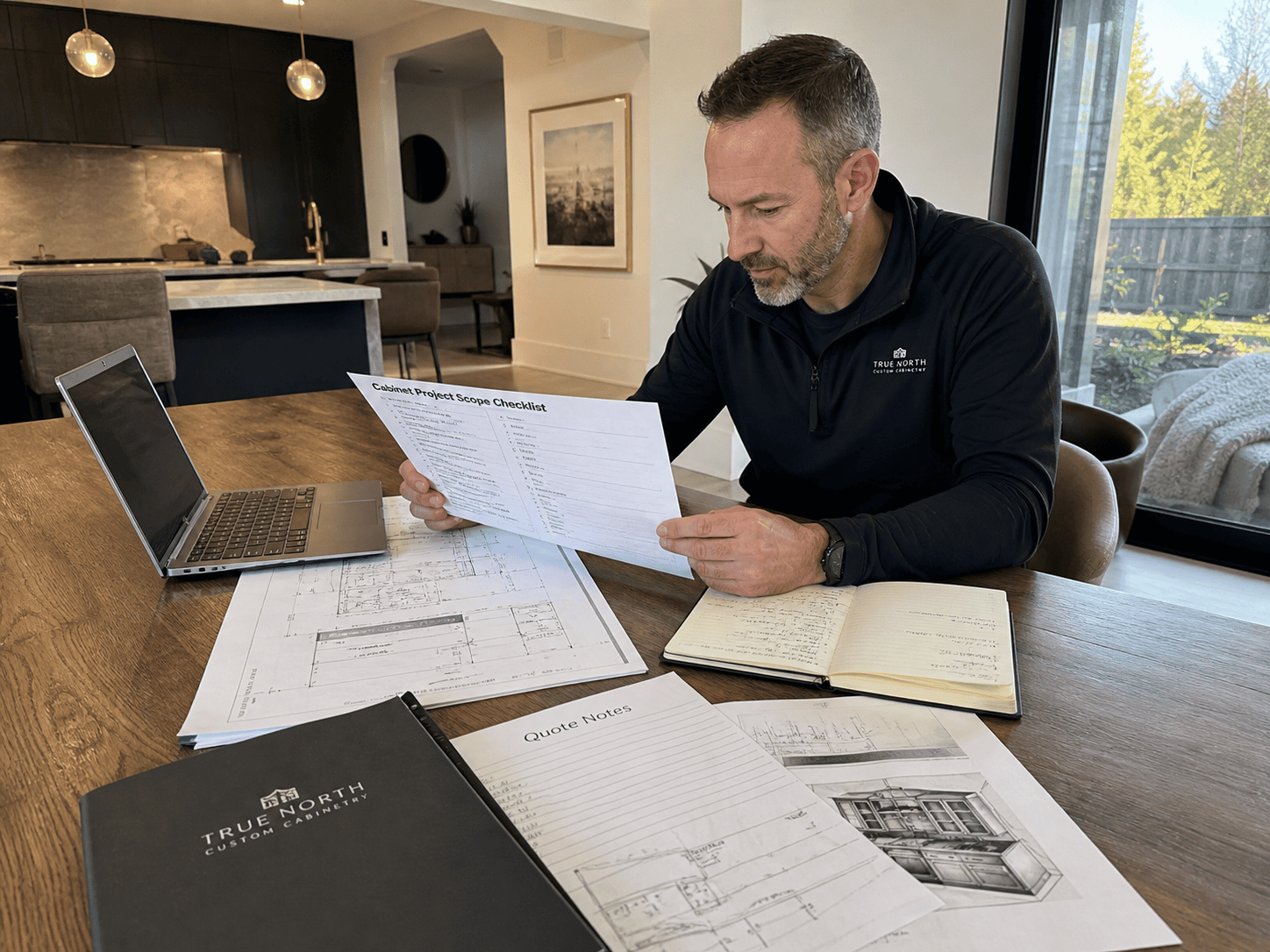
- scope confirmation before quote refinement
- production updates after confirmation
- pre-delivery checking and documentation
- remote support after delivery
The goal is simple: fewer surprises, fewer misunderstandings, and a clearer path from drawings to delivered cabinetry.
- We Start with Structured Information, Not Guesswork
The first step in remote support is getting the right information.
For overseas clients, this usually means:
- floor plans or marked measurements
- room list
- inspiration images
- target country or city
- timeline
- whether the project needs design, cabinetry, or both
The clearer the starting information is, the easier it becomes to reduce mistakes later.
This is especially important when the client is not physically present to explain details in person.
- We Use Video Calls for Scope and Decision Alignment
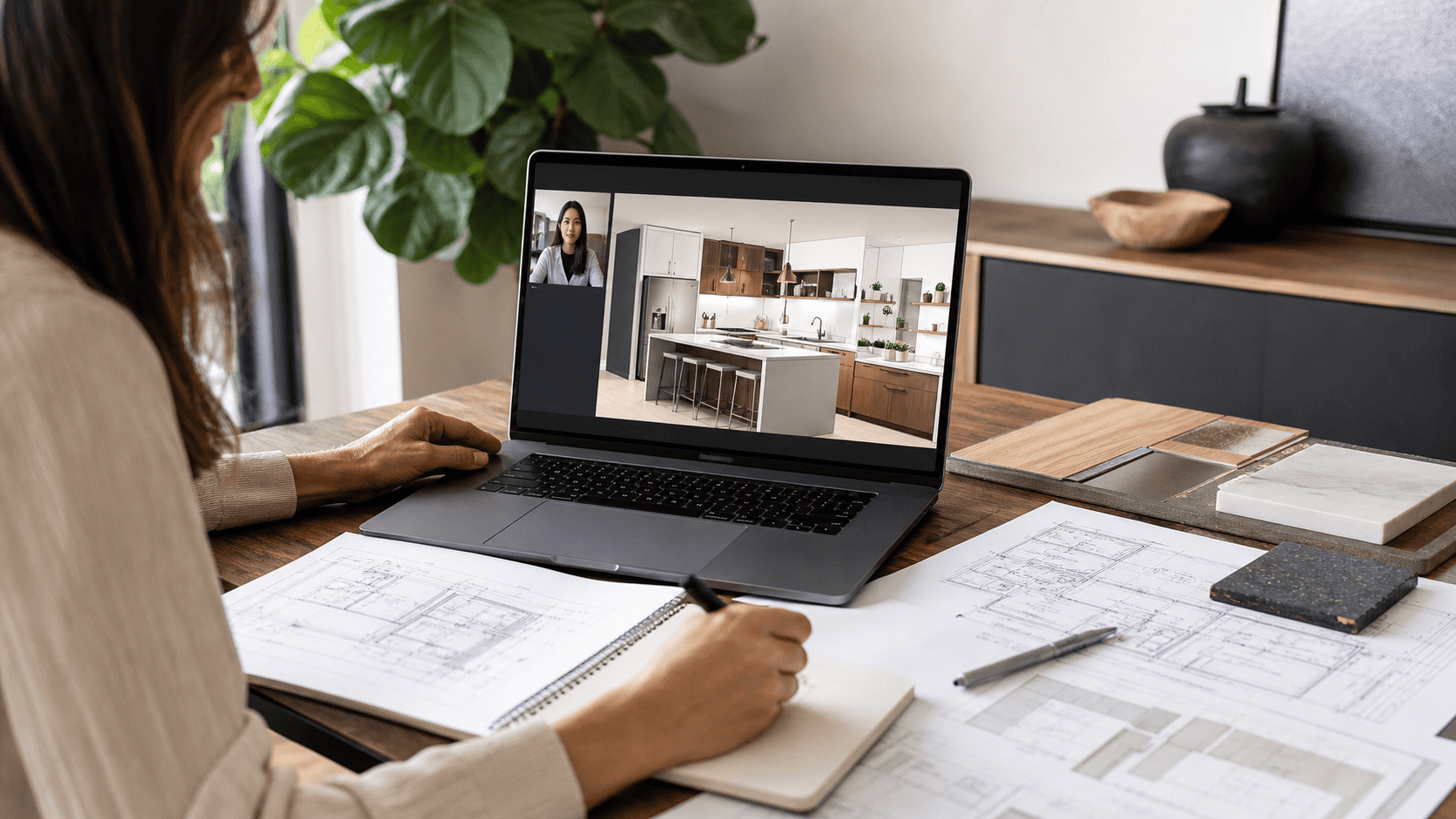
Not every decision needs a meeting, but some decisions are better made face to face over video.
For example, video calls are often useful when:
- project scope is still unclear
- the client is choosing between design and cabinetry paths
- multiple rooms are involved
- finish or layout direction needs alignment
- the project team includes more than one decision maker
A short video call can often prevent long email chains and improve decision clarity early.
- We Confirm Drawings and Scope Before Production
For overseas cabinetry projects, one of the biggest risk points is moving too fast into production before drawings and scope are properly confirmed.
That is why Cozi places strong emphasis on:
- design confirmation
- room-by-room scope clarity
- finish direction
- hardware expectations
- layout alignment
- design lock before production begins
This step matters because remote projects depend on documented decisions, not assumptions.
- We Share Production Progress in a Structured Way
Overseas clients usually want visibility, but they do not want daily noise.
What helps most is structured progress communication.
Depending on project type, this may include:
- milestone updates
- production stage photos
- packaging progress visibility
- clarification if anything needs reconfirmation
- timeline communication if schedule changes
This gives clients confidence without overwhelming them with unnecessary detail.
- We Check Key Items Before Delivery
One reason overseas clients worry is simple: once the goods are shipped, changes become harder and more expensive.
That is why pre-delivery checking matters so much.
Before delivery, support may include review or confirmation of:
- production consistency against confirmed scope
- finish and hardware alignment
- packaging readiness
- shipment preparation
- photo-based confirmation of key items where appropriate
The purpose is not to create extra steps. It is to reduce the chance of avoidable problems after arrival.
- We Support Installation Remotely When Needed
For many North America, Australia, and Europe projects, local installation is handled by the client’s contractor or installer.
In these cases, Cozi can still support remotely through:
- drawing clarity
- installation guidance materials
- follow-up communication
- issue clarification if questions come up after delivery
This is especially helpful when a client wants factory-direct cabinetry but still needs support beyond shipping.
- We Use Clear Communication Channels Across Time Zones
Overseas projects often fail because communication becomes fragmented.
To reduce that risk, Cozi typically works through a combination of:
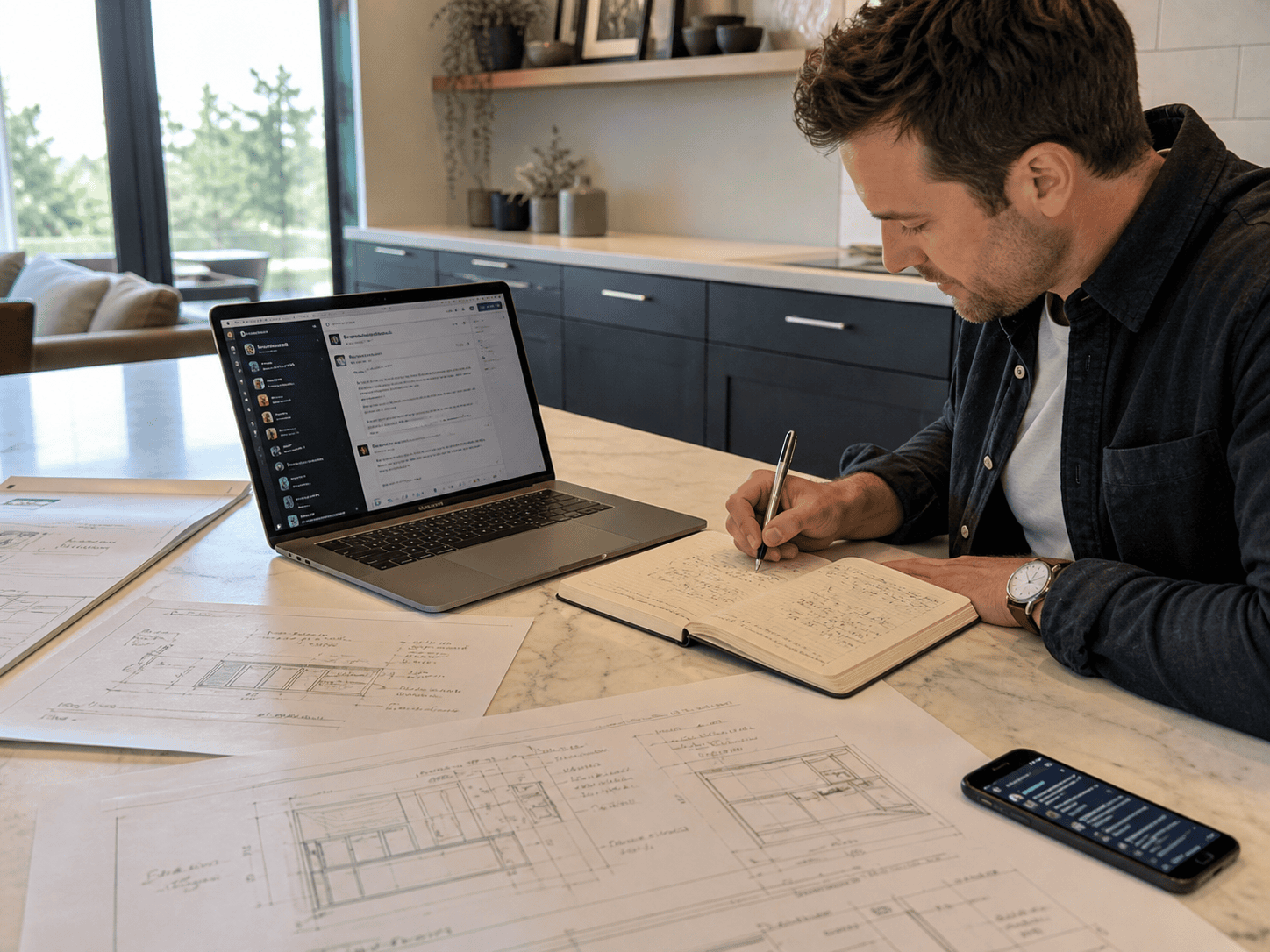
- email for structured confirmation
- WhatsApp for quick coordination
- Zoom or Google Meet for discussion and alignment
- follow-up messages to keep decisions documented
The goal is not just fast replies. It is clearer communication across time zones and project stages.
What Overseas Clients Usually Care About Most
In our experience, overseas clients usually care about five things more than anything else:
- Will the scope be understood correctly
- Will the production match the confirmed direction
- Will delivery be handled in a structured way
- Will someone respond clearly if questions come up
- Will installation be manageable after arrival
A strong remote support model should answer all five.
What Cozi Usually Helps Reduce
A structured remote workflow helps reduce common concerns such as:
- measurement mismatch
- unclear cabinetry scope
- finish misunderstanding
- communication gaps
- delivery uncertainty
- installation coordination confusion
Remote support does not remove every possible issue, but it does reduce avoidable ones when the process is handled properly.
When Remote Support Works Best
Remote support usually works best when:
- the client has usable floor plans or measurements
- project scope is reasonably clear
- decisions can be documented
- local installation can be arranged
- the client values structured communication over casual guesswork
This is why remote design plus cabinetry export often works especially well for North America, Australia, and Europe projects.
When a More Managed Model May Be Better
Some projects need more than standard remote support.
For example:
- the client wants more end-to-end coordination
- multiple spaces are involved
- the client prefers a more managed process
- local coordination is limited
- installation support needs to be more hands-on
In these situations, a more managed path may be better, especially in selected Southeast Asia markets where white-glove coordination may be possible.
Final Thoughts
You do not need to stand in the factory or on the job site for a cabinetry project to move forward well.
What you do need is a clearer process, confirmed decisions, structured updates, and support that continues beyond the first quote.
For overseas clients, confidence does not come from being physically present at every step. It comes from knowing that each step is being handled clearly and professionally.