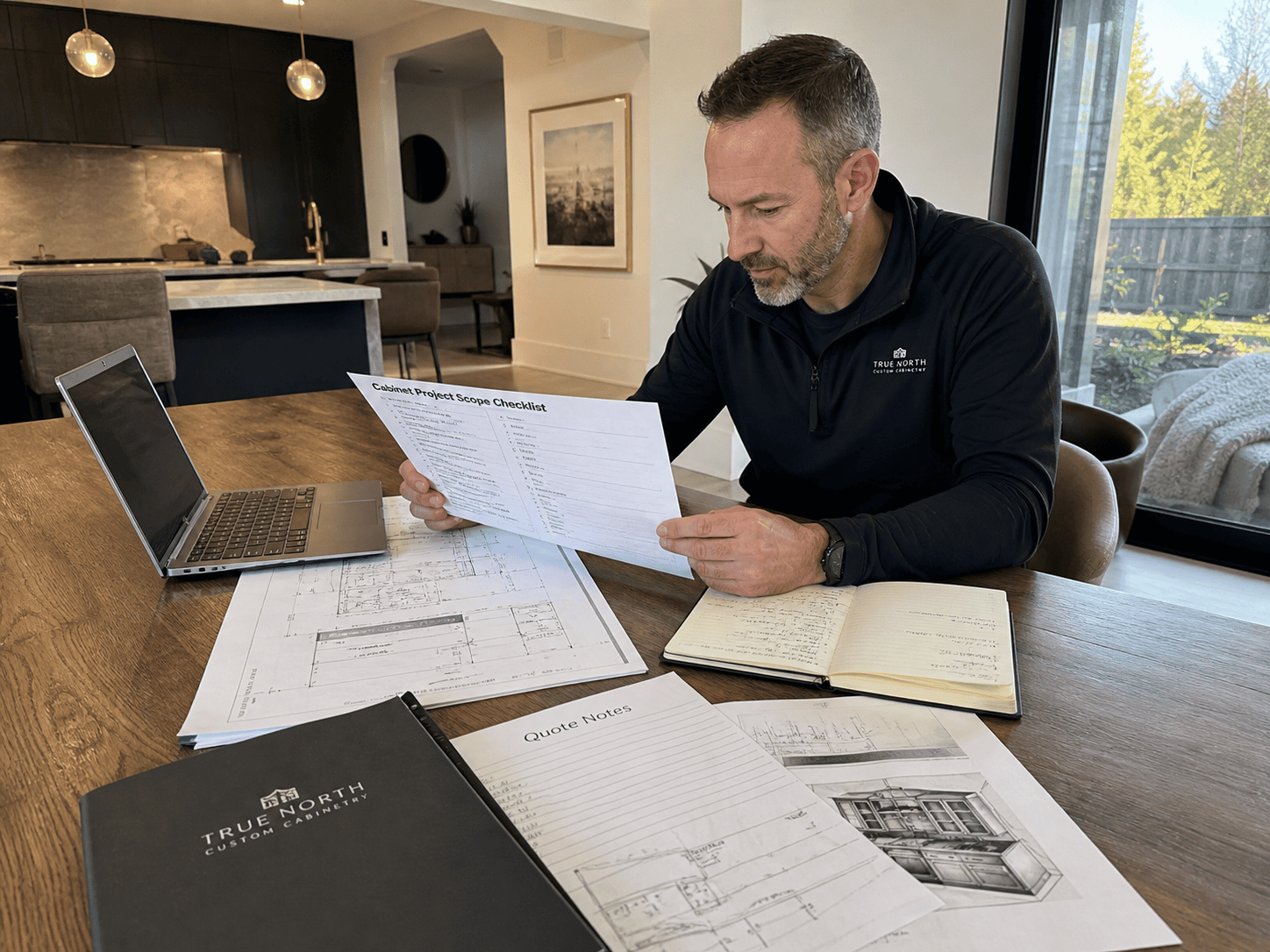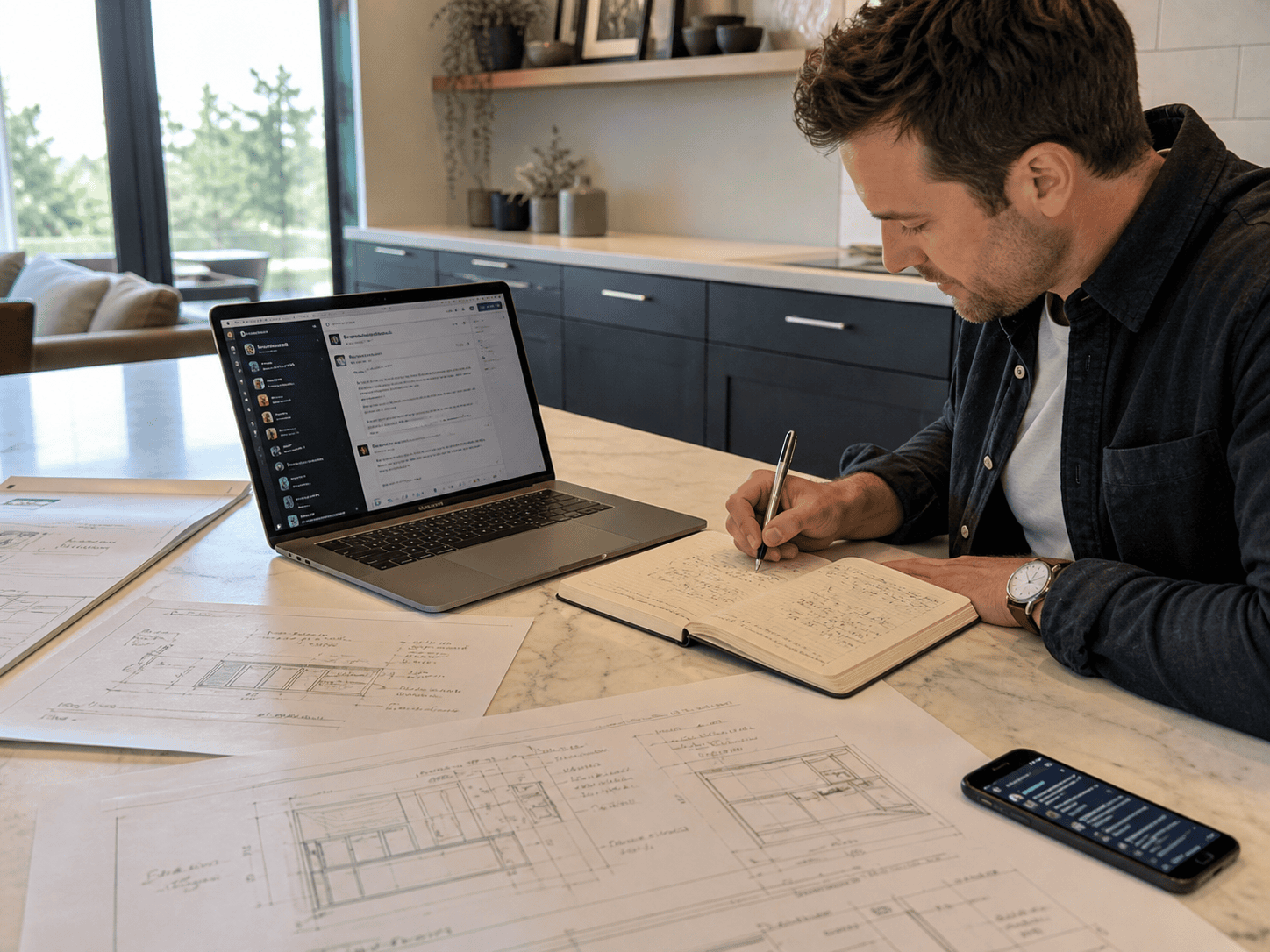
What Information We Need Before Starting Your Custom Cabinet Design
One of the most common questions clients ask is simple:
What do you need from me before the design starts?
The short answer is: the clearer the information, the smoother the design process.
For custom cabinetry, design is not only about style. It also depends on dimensions, layout, appliances, materials, site conditions, and your project goals. If the starting information is incomplete, the design stage becomes slower, less accurate, and more likely to require repeated revisions.
In this guide, we explain what information we usually need before starting a custom cabinet design.
1. Basic project information
First, we need to understand the overall project.
Please tell us:
- which area you want to customize
- whether it is a kitchen, wardrobe, laundry room, bathroom vanity, or whole-house project
- your country and city
- whether the property is a house, apartment, showroom, or commercial space
- whether the project is for your own use, a client, or a developer project
This helps us understand the project type and prepare the right design direction from the beginning.
2. Site dimensions
Dimensions are one of the most important parts of the design process.
We usually need:
- overall wall dimensions
- ceiling height
- door and window positions
- column, beam, or bulkhead locations
- plumbing and electrical point locations if relevant
- appliance locations if already decided
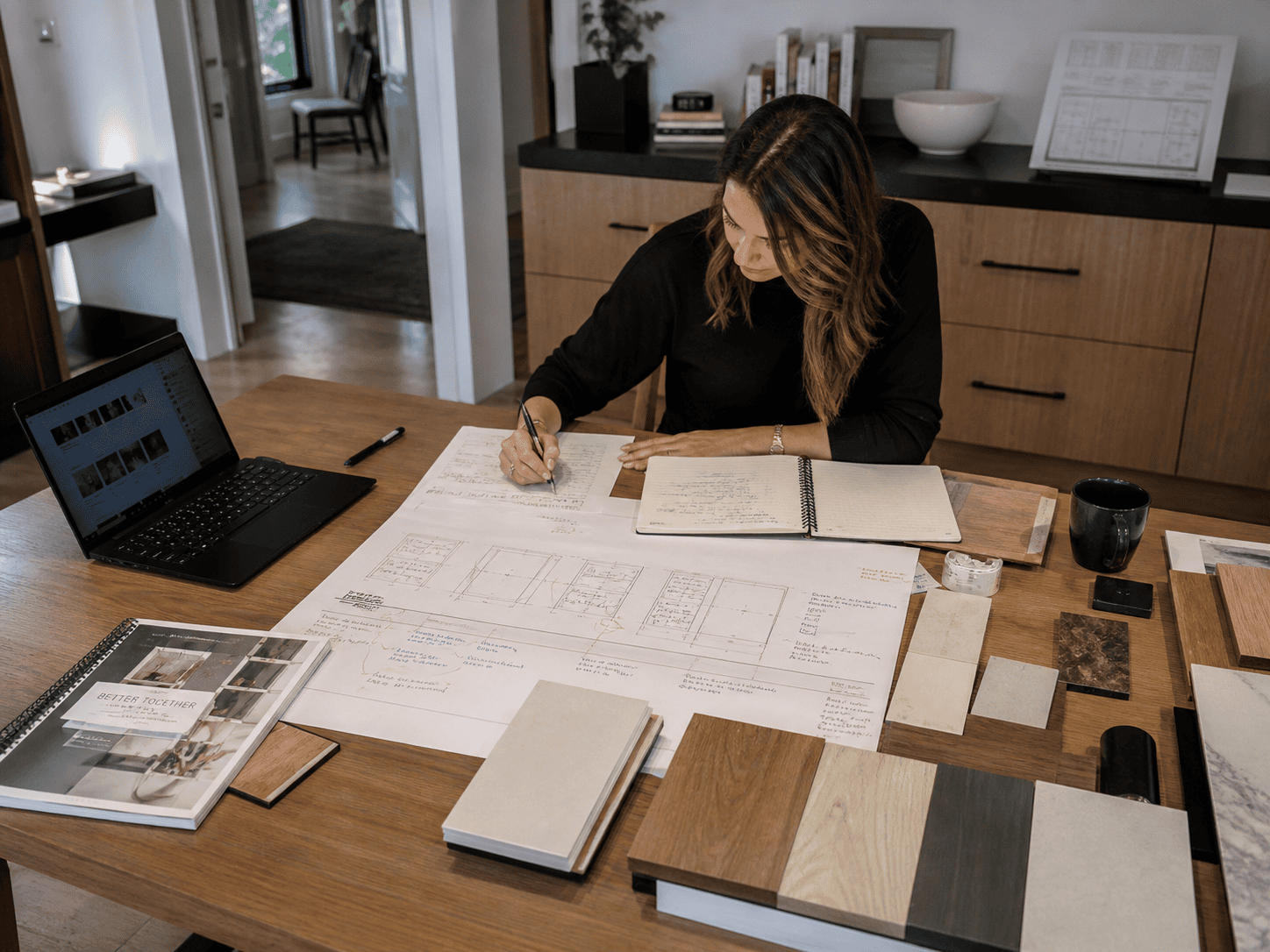
You do not need perfect architectural drawings to begin, but you do need to provide measurements that are clear enough to establish the layout.
A simple hand-drawn sketch with dimensions is often enough for the early stage.
3. Photos and videos of the space
Photos help us understand the site in a way that numbers alone cannot.
Please send:
- full photos of each wall
- corner views
- floor and ceiling condition
- close-up photos of windows, doors, columns, or obstacles
- a short video walkthrough if possible
This helps us identify practical issues earlier and reduces mistakes during the design stage.
4. Your layout needs
We also need to understand how you want the space to work.
For example:
- do you need more drawer storage
- do you prefer tall storage
- do you need a pantry area
- do you want an island
- do you need appliance housing
- do you want more hanging space, folded storage, or display space
- do you need a door-wall-cabinet integrated design
A custom cabinet design should not only fit the room. It should also fit the way you use the space.
5. Style references
Design direction becomes much clearer when you share visual references.
You can send:
- inspiration photos
- Pinterest references
- styles you like
- colors you prefer
- cabinet door styles you prefer
- finishes you want to avoid
Even a few example images can help us understand your expectations faster.
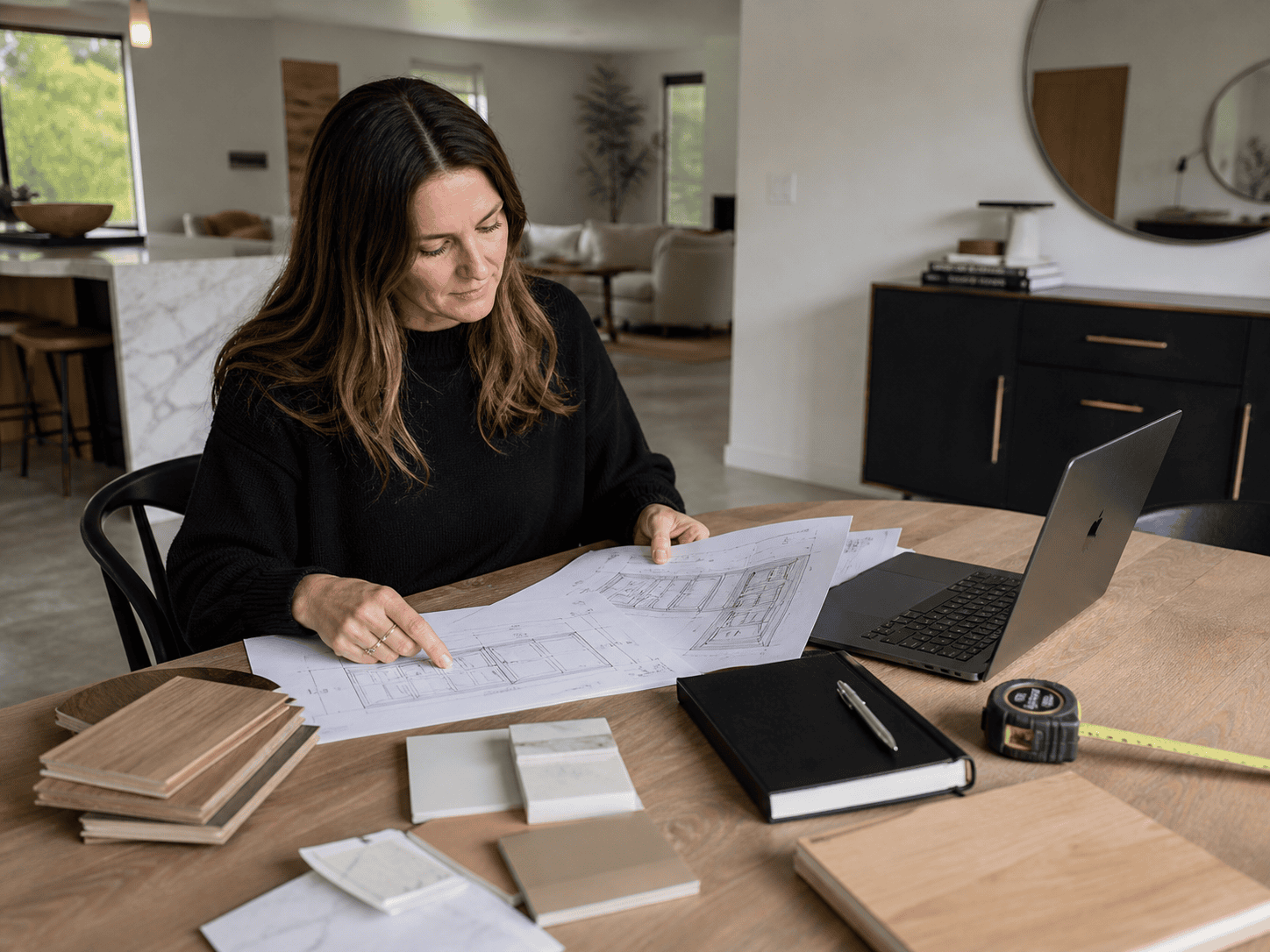
6. Material and finish preferences
You do not need to finalize every material before design starts, but it helps to know your initial preferences.
For example:
- do you prefer wood grain or solid color
- matte or glossy finish
- light tone or dark tone
- stone look or plain countertop
- glass doors or closed storage
- minimalist modern or warmer decorative style
These preferences help us guide the design in the right direction earlier.
7. Appliance information
For kitchen and laundry projects, appliance details matter a lot.
If available, please send:
- refrigerator size
- oven size
- dishwasher size
- cooktop size
- hood type
- washing machine or dryer dimensions
- sink type if already selected
If appliances have already been purchased, sending model numbers is even better.
Cabinet design often depends on exact appliance dimensions and installation requirements.
8. Budget range
Some clients hesitate to share budget expectations, but this actually helps improve the design process.
A budget range helps us:
- guide material recommendations
- control design complexity
- avoid unrealistic options
- match layout and finish decisions more efficiently
Without a budget range, the design may move in a direction that does not match the final project plan.
You do not need to give an exact number, but a realistic range is very helpful.
9. Timeline expectations
We also need to understand the project timing.
Please let us know:
- whether the site is ready now
- whether renovation is ongoing
- when you hope to confirm the design
- when production may need to begin
- whether shipping or installation timing is critical
This helps us plan communication, revisions, production preparation, and delivery more realistically.
10. Installation requirements
Installation affects both design and project coordination.
Please tell us:
- whether you need installation support
- whether your project is in a country where installation can be arranged
- whether you will use your own local installer
- whether remote installation guidance is needed
This matters because design documentation and support requirements may differ depending on the installation plan.
11. Special site conditions
Some projects have details that should be identified as early as possible.
For example:
- uneven walls
- floor level differences
- ceiling beams
- limited lift access
- narrow staircases
- humidity concerns
- unusual structural conditions
These details may affect design, production, transport, or installation planning.
Common mistakes clients make before design starts
A few problems appear often in early-stage communication:
Sending inspiration photos without dimensions
The style may be clear, but the layout still cannot be developed accurately.
Sending dimensions without photos
The numbers may be correct, but site obstacles may still be missed.
Not confirming appliance sizes
This can create avoidable layout revisions later.
Not sharing budget expectations
This can lead to design directions that are difficult to apply in the actual project.
Waiting for perfect information
You do not need perfect documents to begin. You just need clear and useful starting information.
What is enough to start?
In many cases, the following is enough for the early design stage:
- a simple site sketch with dimensions
- photos or videos of the space
- style reference images
- basic appliance information
- your layout goals
- your location
- your expected timeline
- whether installation is needed
Once these are clear, the design process can move much more efficiently.
Final thoughts
A strong custom cabinet project starts with clear input.
The more clearly you define your space, needs, preferences, and timing, the easier it is to create a design that is practical, accurate, and aligned with your goals.
At COZI Cabinet, we work with overseas clients on custom cabinetry and integrated interior solutions. Good preparation at the beginning helps both sides move faster, communicate better, and reduce unnecessary revisions later.