How We Use Photos, Videos, and Pre-Assembly Checks to Support Overseas Cabinet Projects
One of the biggest concerns in overseas cabinet projects is visibility.
If the client cannot visit the factory, cannot inspect the production in person, and cannot stand on site during every stage, an important question naturally follows:
How can the project still feel clear and under control?
At COZI Cabinet, we believe remote projects should not depend only on trust in words. They should be supported by visible process communication.
That is why photos, videos, and pre-assembly checks are important parts of how we support overseas cabinet projects.
This article explains how these steps help make remote cabinet projects easier to understand, easier to confirm, and easier to manage.
Why visibility matters in overseas projects
In a local project, the client may be able to visit the site, stop by a showroom, or inspect production more easily.
In an overseas project, that is often not possible.
Without enough visibility, clients may worry about:
- whether dimensions were understood correctly
- whether materials match expectations
- whether production is progressing properly
- whether cabinet parts are prepared accurately
- whether installation will be more difficult later
- whether problems will only be discovered after shipment
This is why remote projects need stronger visual communication than local ones.
1. Photos help confirm site conditions earlier
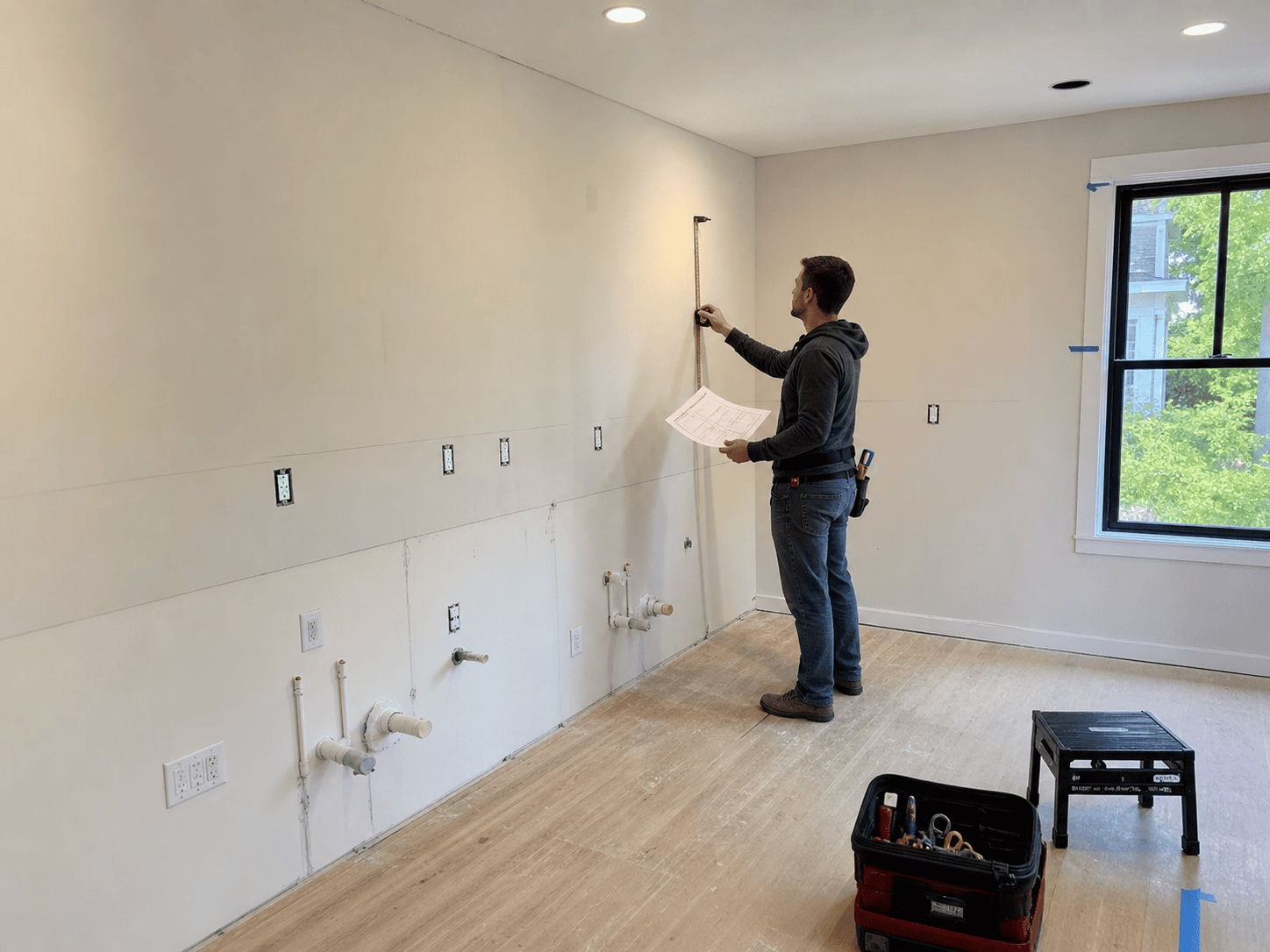
At the beginning of a project, photos help us understand the space more clearly.
Clients usually send:
- full wall photos
- corner views
- ceiling and floor conditions
- doors and windows
- columns, beams, and boxed-out pipes
- plumbing and electrical points
- appliance locations if available
These images work together with measurements and sketches.
Dimensions tell us the size of the space. Photos tell us how the space actually behaves.
That combination helps reduce misunderstandings before design starts.
2. Videos give better context than still images alone
Photos are useful, but short videos often make site conditions easier to understand.
A simple walkthrough video can show:
- how one wall connects to another
- how much circulation space is available
- where obstacles are located
- what the natural lighting looks like
- how finished or unfinished the site currently is
- whether there are conditions that may affect installation later
For overseas projects, this kind of visual context is especially valuable because it helps bridge the distance between the site and the design team.
3. Visual references make design communication easier
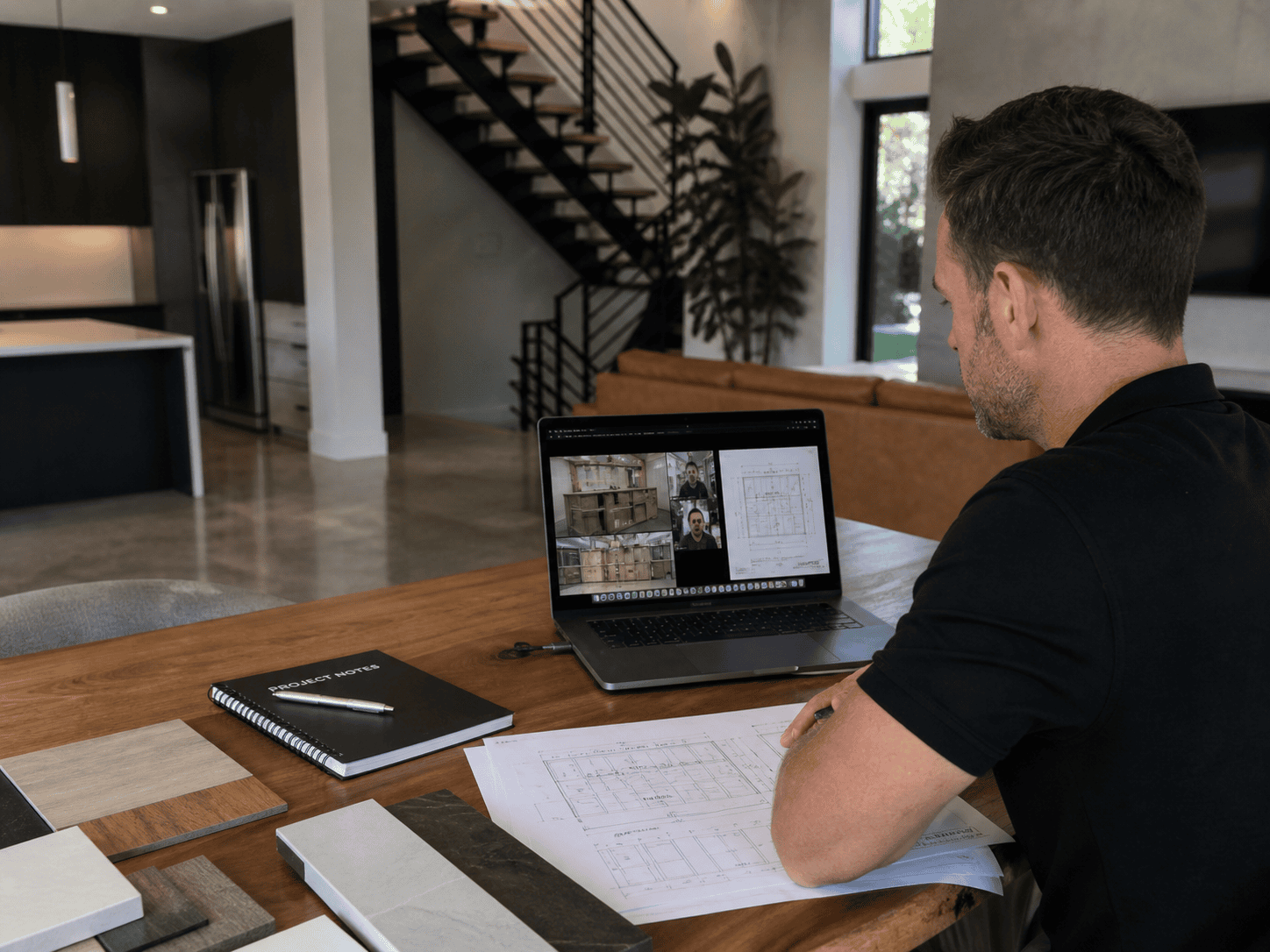
Remote design discussions can become vague if everything stays at the level of text.
That is why visual references matter.
Clients may share:
- inspiration images
- preferred finishes
- cabinet door styles
- storage preferences
- layout examples
- examples of what they do not want
Once the design starts, visual communication continues through layout drawings, elevations, material references, and revision feedback.
A remote project becomes much easier when both sides are reacting to visible information instead of only describing ideas in words.
4. Production photos help clients stay informed
After design confirmation, clients naturally want to know what is happening next.
Production photos help answer that question.
They can show:
- cabinet components in progress
- material appearance under real lighting
- packaging stages
- identification and grouping of parts
- progress at different stages of manufacturing
This gives the client a stronger sense of project visibility.
Instead of wondering whether progress is happening, they can see real updates tied to the project.
5. Videos make factory-side updates more understandable
In some cases, video updates are even more helpful than photos.
A short production video can help show:
- the scale of the cabinet set
- surface finish reflections and texture
- how different pieces relate to each other
- how packing is organized
- whether panels, doors, and accessories appear complete
- how carefully items are being prepared before shipment
For overseas clients, video feedback often provides reassurance because it feels closer to a real-time view of the project.
6. Pre-assembly checks reduce avoidable risk
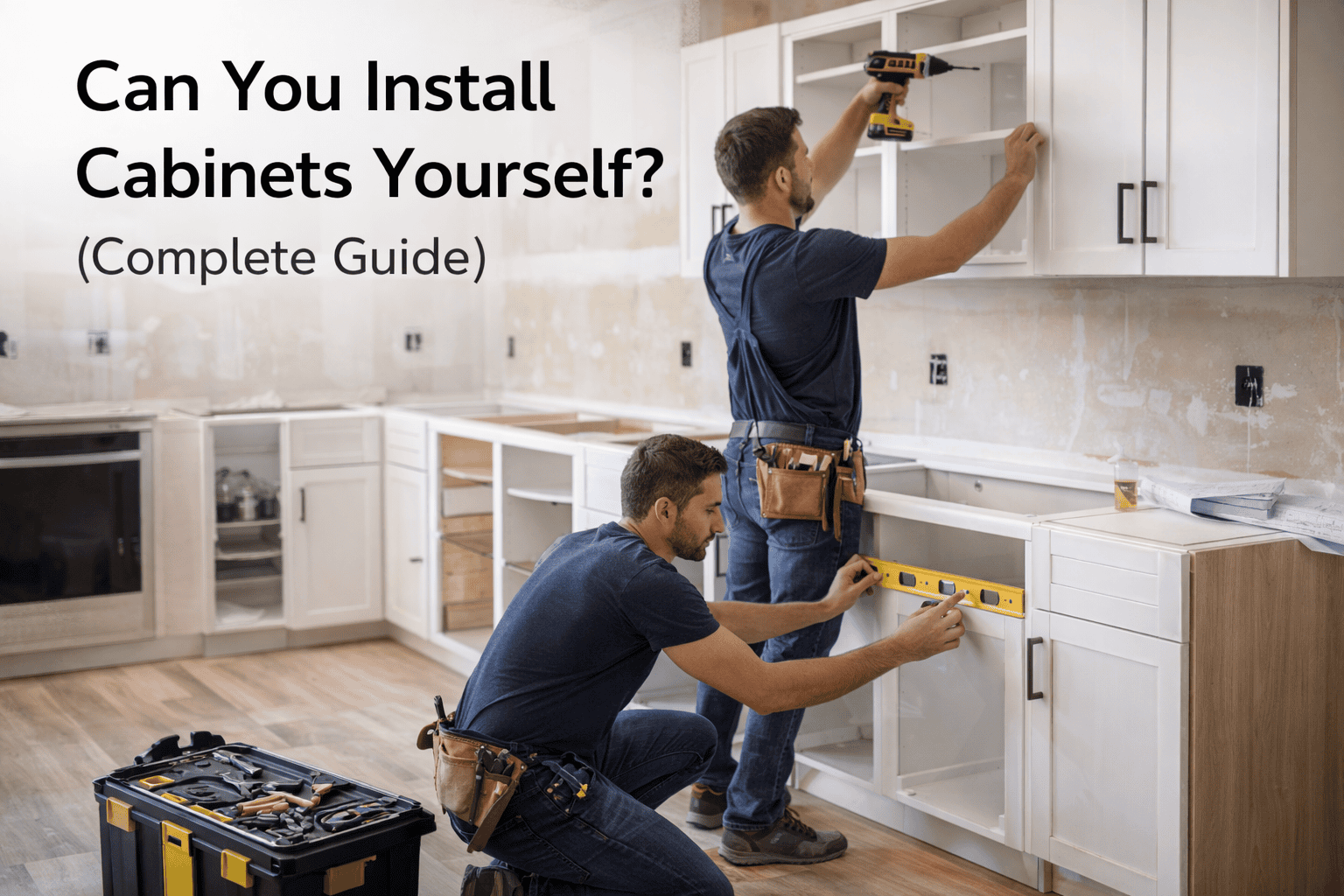
One of the most useful steps in custom cabinet export projects is pre-assembly or trial fitting.
This means key parts are checked before shipment so the project can be reviewed more clearly.
Pre-assembly checks help verify things such as:
- the relationship between connected cabinet sections
- fit between panels and doors
- general alignment
- finish consistency
- readiness for packing and shipment
- whether the cabinet system is being prepared in an organized way
This step is especially valuable in overseas projects because the client cannot easily correct preventable issues before shipping if those issues are only discovered at the destination.
7. Pre-shipment confirmation improves confidence
Before products leave for an overseas destination, clients usually want one more level of clarity.
This is where pre-shipment visual confirmation becomes important.
Photos or videos at this stage can help clients understand:
- what is ready to ship
- how the project is packed
- whether labels and grouped items appear organized
- whether the shipment preparation looks complete
- whether the overall project status matches expectations
This does not replace formal logistics coordination, but it makes the shipment stage feel far more transparent.
8. Better visuals also support installation preparation
Visual documentation is not only useful before shipment. It also helps at installation stage.
When installation is done remotely or by a local team, visual references can make the project easier to understand on site.
This may include:
- labeled parts
- drawing references
- installation guidance documents
- pre-assembly photos
- packaging identification
- communication records linked to the confirmed design
The more clearly the project is documented visually, the easier it becomes for the installation side to follow the intended result.
9. Remote support works better when information is organized
Photos and videos are useful, but only if they are managed clearly.
A remote project becomes much easier when visual information is connected to:
- drawing versions
- confirmed materials
- design approvals
- part labeling
- project stages
- installation guidance
In other words, visual proof works best when it is part of a structured process rather than random updates.
Common concerns clients have
Here are some common questions overseas clients often have:
“What if I cannot inspect the factory myself?”
That is why clear photo updates, video updates, and pre-assembly confirmation matter.
“What if something looks different from what I expected?”
This is why material confirmation and visual review should happen before shipment, not after arrival.
“What if the site team needs help understanding the products?”
This is where drawings, labels, installation references, and documented project information become important.
“What if the project feels hard to track from another country?”
This usually improves when communication is visual, organized, and tied to project milestones.
Why this approach matters
In overseas cabinet projects, distance creates uncertainty.
Good visual communication helps reduce that uncertainty.
Photos help explain the site.
Videos help explain conditions and progress.
Pre-assembly checks help reduce preventable mistakes before shipment.
Together, these steps help a remote project feel more visible and more manageable.
Final thoughts
Overseas cabinet projects do not become easier because distance disappears. They become easier when the process creates enough clarity across distance.
At COZI Cabinet, we use photos, videos, and pre-assembly checks to support clearer design confirmation, better production visibility, and stronger shipment preparation for overseas projects.
For remote collaboration, visibility is not an extra feature. It is part of the process.